
What is this
A simple, one-activity program you can do with your kid(s) this weekend, wherever you are. All you need is a patch of ground: a yard, a park, a tree well on a city street, or even the soil in a potted plant.
Under every step is a hidden world that is busy, crowded and alive. It turns fallen leaves into new soil, feeds every plant, and holds the ground together. When you kneel down and really look, you're meeting the neighbors who keep everything else alive.
Ages: 5-14
Time: 60-90 minutes total
Setting: Anywhere with soil: yard, park, garden bed, forest floor, tree well, planter, or a potted plant indoors
Materials: Nothing required (optional: magnifying glass, a stick or spoon for gentle digging, paper and pencil, a damp cloth for hand-washing afterward)
Your Game Plan
-
Read the material (5 min)
-
Search for a soil spot (15-20 min): Find a place where the ground is alive
-
Meet the neighbors (20-25 min): Discover who lives under our feet
-
Do the Soil Sensory Practice (10 min): Hands on the ground
-
Practice Root Breathing (5 min): A calming practice that grows downward
-
Reflect together (5 min)
What's Under Our Feet - Guide
The Science: Why Soil Matters
Soil Is Alive
Soil isn't just dirt. A single handful of healthy soil holds billions of living things: bacteria, fungi, tiny insects, mites, and worms. Most are too small to see. Together they make soil one of the most crowded, busy places on Earth.
The Great Recyclers
Remember the leaves from Leaf Stories? When they fall, the soil's living beings get to work. Worms, pill bugs, millipedes, fungi and bacteria break them down into nutrients. Those nutrients feed new plants, which grow new leaves. Nothing is wasted. This is nature's original recycling system.
The Hidden Network
Under the ground, tree roots are wrapped in thin threads of fungi. These threads help trees take in water and nutrients, and the trees share sugars with the fungi in return. It's a partnership that has existed for hundreds of millions of years.
Soil Is Precious
It can take hundreds of years for nature to build just one inch of topsoil. Healthy soil also stores carbon, keeping it out of the air. Protecting soil is one of the quietest and most important ways to care for the planet.
Why the Ground Calms Us
Touching soil, feeling its texture and temperature, and focusing on small details pulls our attention into the present moment. When our attention is here, in our hands, it isn't racing ahead to worries. Grounding isn't only a word; it's something you can feel.
Before You Start: Keep It Safe and Kind (Adult Supervision Required)
-
Look, don't take. We're visitors in someone else's home. Watch creatures where they are, and leave them there.
-
Lift gently, lift away. If you turn over a rock or log, an adult lifts it toward themselves so anything underneath can move away from your hands. Put it back exactly as you found it, slowly, so no one gets squished.
-
Don't touch or taste mushrooms. Some are poisonous. Look closely, but keep hands and mouths away.
-
Check the spot first. Avoid areas with broken glass, sharp objects, pet waste, or places that may have been sprayed with chemicals.
-
Know your area. In some regions, spiders, ticks, or stinging insects live under logs and rocks. Use a stick to lift, and check for ticks afterward if you were in tall grass or woods.
-
Wash hands when you're done. Soap and water (or a damp cloth if you're out) after every soil adventure.
Part 1: The Soil Search (15-20 minutes)
Step 1: Find Your Spot
Where you look depends on where you are:
-
In a city or town: Tree wells along the sidewalk, park flower beds, community gardens, planters, the edges of a lawn, or soil in a potted plant at home.
-
In suburbs: Under a bush, the edge of a garden bed, under a pile of fallen leaves, or beneath a log or stone in your yard.
-
In a forest or rural area: The forest floor, under logs, beneath layers of fallen leaves, or along a stream bank.
The best spots are a little damp, a little shady, and covered with something: leaves, bark, a log, or a stone. That's where soil life likes to hide.
Step 2: Read the Ground
Before you dig or lift anything, kneel down and just look at the surface:
-
Color: Is the soil dark brown, light brown, reddish, gray? Darker soil often means more decomposed plants and animals.
-
Layers: Can you see fresh leaves on top, older crumbly leaves underneath, and soil below that? That's the recycling system in action, from newest to oldest.
-
Clues: Tiny holes (worm or insect tunnels), small piles of soil (worm castings), chewed leaves, white threads (fungi), or mushrooms.
Maybe your spot is a big forest floor. Maybe it's a small planter on a sidewalk. Every patch of soil is home to someone.

.png)
Part 2: Meet the Neighbors (20-25 minutes)
Gently move aside a few leaves. To look under a small stone or log, have an adult lift it, tilting it toward themselves so anything underneath can move away from little hands. Then stay very still and watch. Soil creatures are shy, so give them a minute and they'll start moving. Keep your hands to yourself and give them some space; we're guests in their home.
Who You Might Meet:
-
Earthworms: The gardeners. Worms eat dead leaves and soil, and leave behind rich castings that feed plants. Their tunnels let air and water reach plant roots.
-
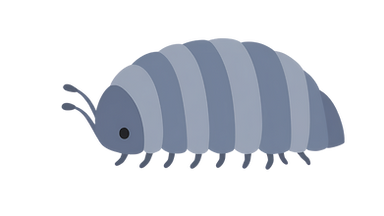
Pill bugs (roly-polies): The cleanup crew. They eat dead plants and are actually crustaceans, cousins of crabs and shrimp, that live on land.
-
Millipedes: The shredders. They chew fallen leaves into smaller pieces so fungi and bacteria can finish the job.
-
Ants: The builders. They dig tunnels, move seeds, and mix the soil as they go.
-
Beetles and spiders: The balancers. They hunt other small creatures and keep the soil community in balance.
-
Fungi and mushrooms: The connectors. White threads in the soil and mushrooms on the surface are fungi breaking things down and linking plant roots together.
-
Roots: The anchors. Look for roots, big and tiny. They hold the soil in place and drink up the water the soil holds.
If you find no creatures at all, look for their clues: tunnels, castings, chewed leaves, and white fungal threads. They count too.
.png)
Neighbor Stories
Pick one creature (or one clue) and talk about it together:
-
What do you think this creature was doing before we found it?
-
What does it eat? Who might eat it?
-
How does its body help it live underground? (No eyes, many legs, a hard shell, the ability to roll up)
-
How would this place be different if this creature disappeared?
-
If this creature could talk, what would it tell us about its home?
When you're done, gently put the leaves, stone, or log back so the neighbors' home is just as you found it.
Every plant you see above ground depends on the neighbors you just met below it.
Part 3: Soil Sensory Practice
(10 minutes)
Sit or kneel comfortably and place both hands flat on the ground (or pick up a small handful of soil). Make sure to wash your hands after. Go slowly through each sense:
-
Touch: Is the soil cool or warm? Wet or dry? Crumbly, sticky, sandy, or smooth? Press your palms down and feel the ground pressing back.
-
Look: Look closely, with a magnifying glass if you have one. Can you see tiny bits of leaves, roots, sand grains, or something moving?
-
Smell: Bring the soil close and breathe in. Healthy soil has a fresh, earthy smell, especially after rain. That smell comes from living soil microbes.
-
Listen: Lay one ear close to the ground (or put your hands over a pile of leaves) and listen. Rustling? Silence? Your own heartbeat?
Your hands are touching a world that has been building itself, slowly and patiently, for hundreds of years.
.png)
.png)
Part 4: Root Breathing (5 minutes)
Setup
Sit on the ground (or stand with your feet flat). Rest your hands on your knees or on the soil. Imagine you are a tree, with roots growing down from your body into the earth.
The Practice
1. Breathe IN (count to 4): "I breathe in, and I feel the ground holding me."
2. Hold (count to 4): "My roots are growing deep into the soil."
3. Breathe OUT (count to 4): "I breathe out, and my worries sink into the earth, where they can rest."
4. Hold (count to 4): "The ground is strong. I am steady."
Repeat 5-7 times (about 5 minutes). Each time you breathe out, imagine your roots reaching a little deeper.
I am grounded. I am held by the earth. My roots are deep. I am steady and connected.